
Catalog Printing
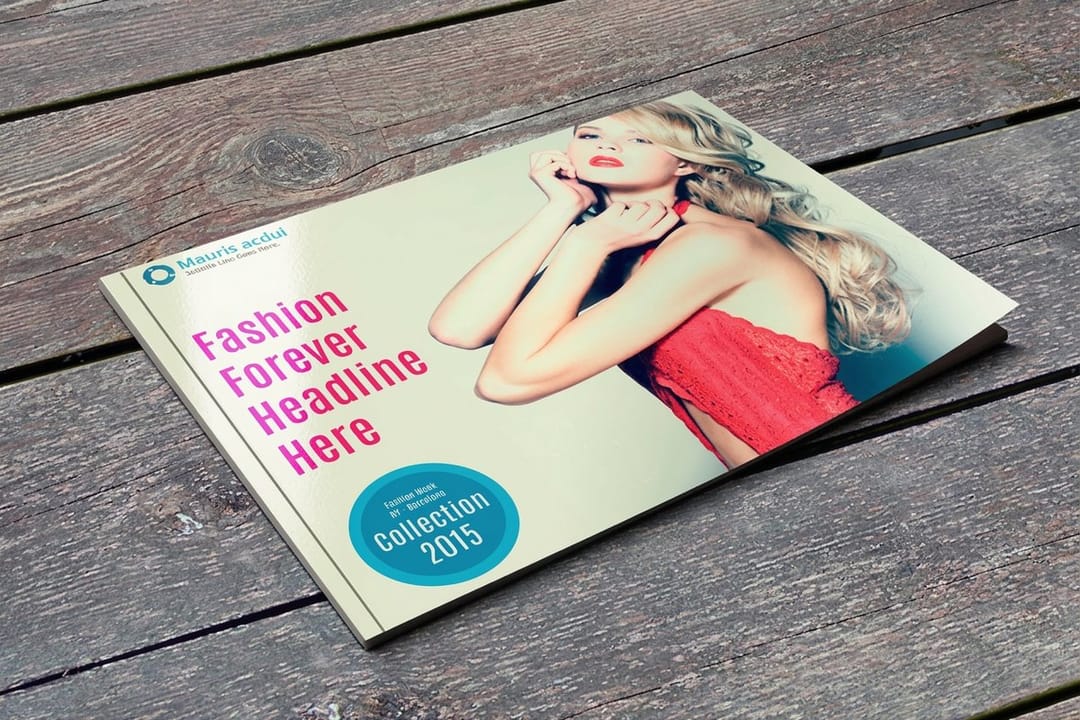
Important Artwork Notice!
See Standard Catalogs in action
Saddle stitched in 5.5" x 8.5", 8.5" x 11" or 11" x 11", 14 page counts from 8 to 60 pages, 7 inside stocks and 3 cover stocks, and 25 catalogs from $240.55.
If you searched for an online catalog maker, this is the print side of it: you set the size, the page count and the stocks in the configurator, upload your pages as a print-ready PDF, JPG or PNG, and see the price before you order. Online catalog printing here starts at $240.55 for 25 saddle-stitched booklets, and full color catalogs print color on both sides of every page, cover and inside, or black on both sides for a price list.
- From $240.55 per 25 booklets, with the per-booklet price dropping to about $0.24 as the run climbs to 5,000.
- 3 sizes, from a 5.5" x 8.5" mailer to a full 8.5" x 11" and an 11" x 11" square, plus custom sizing up to 11" x 11".
- 14 page counts, starting at 8 pages, which is a cover plus 4 inside pages, and climbing from there.
- 7 stocks across cover and inside pages: 100# gloss and silk text, 70# uncoated text, and 14pt, 80#, silk and 30%-recycled covers.
- Saddle-stitched, printed black or full color on both sides, on a 7 business day standard turnaround, rated 4.8 out of 5 across 11 reviews.
Put Your Whole Product Line in One Booklet
A flyer gets tossed by the end of the day; a catalog sits on a buyer's desk for weeks. It gathers your entire lineup into one saddle-stitched, full-color booklet a customer can hold, flip, and keep, with every product in the order you choose. Standard Catalogs start at $240.55 for 25 booklets and carry a 4.8 out of 5 rating across 11 reviews, whether you're shipping a wholesale lookbook, a retail range, or a property portfolio.
One booklet replaces a stack of loose product sheets, arrives stapled and trimmed, and stays in one piece on a buyer's desk. To compare catalogs with the rest of the range, browse the full lineup on booklets and catalogs printing, or stay here and build yours from the choices below.
Twenty-five catalogs cost $240.55, about $9.62 a booklet, enough to proof a new layout with your sales team or a few key buyers. A season's print for a trade show brings the price per copy down fast, and the tiers below show the total at each step.
What is a printed catalog
Your printed catalog is a multi-page booklet, stapled through the fold, that holds your full product range. At 4OVER4 catalogs print full color across a cover and inside pages, in 3 sizes from 5.5 by 8.5 inch up to an 11 by 11 inch square, on 7 paper stocks, with page counts starting at 8 pages, all set in the live configurator.
A Standard Catalog is a folded, stapled booklet with a cover wrapped around a set of inside pages, printed full color so every product photo carries its weight. Retailers use them as lookbooks, wholesalers ship them to buyers, real estate teams build property portfolios, and restaurants print seasonal menus that feel like a book instead of a flyer. If you want a lighter, thinner version of the same format, the Standard Booklets cover it, and the catalog sits right beside it as the product-forward pick.
For full color catalogs ordered online, these are the specs you set on this product:
| Spec | Your options |
|---|---|
| Size | 5.5" x 8.5", 8.5" x 11" or 11" x 11", or custom up to 11" x 11" |
| Pages | 14 page counts from 8 pages, in multiples of 4 |
| Cover stock | 14pt Gloss, 80# Gloss, 100# Silk/Matte, or 14pt Uncoated with 30% recycled content |
| Inside stock | 100# Gloss Text, 100# Silk/Matte Text or 70# Uncoated Text |
| Ink | Full color on both sides, or black on both sides |
| Quantity | 25 for $240.55 up to 5,000 for $1,195.04, across 18 tiers |
| Turnaround | 7 business days standard, with rush down to next-day |
| Files | Single pages in reading order as a print-ready PDF, JPG or PNG, cover and inside as separate files |
How much does catalog printing cost
Your first 25 Standard Catalogs cost $240.55, about $9.62 each. The price scales across 18 quantity tiers up to 5,000, so a larger run drops the per-booklet cost fast, down to roughly $0.24 each at 5,000. Page count, stock, and turnaround adjust the total, and the configurator shows the exact number before you order.
Count the buyers, stores or mailboxes the catalog has to reach, then price that run: 300 run $495.38, 1,000 run $618.39, and a 2,500 run is $835.87. A full 5,000 comes to $1,195.04, near 24 cents a booklet. Drag the slider below to your count and read the total and the per-booklet cost side by side. If ordering deep is the plan, the bulk discounts make the case plain.
What sizes and page counts can a catalog have
You can order a catalog in 3 sizes, 5.5 by 8.5 inch, 8.5 by 11 inch or an 11 by 11 inch square, or a custom size up to 11 by 11 inch. Page counts run across 14 options, starting at 8 pages, which is a cover plus 4 inside pages, and climbing from there in the multiples that suit saddle-stitch binding.
Pick the size by how the catalog travels. The 5.5 by 8.5 inch is compact and mails easily, a natural fit for a pocket lookbook or a leave-behind. The 8.5 by 11 inch is the full letter page, with room for large photos and detailed spec tables. The 11 by 11 inch square reads like a premium art book and makes a product line look considered, much like the Square Booklets in the same family. Page count is the other lever: start at 8 pages for a tight range and step up through 14 options as your catalog grows, since every added folded sheet brings 4 more pages. If none of the presets fit, a custom size up to 11 by 11 inch is made to order. The specs below list every option in the same groups the live configurator uses.
Wally puts your whole lineup in one booklet
Why 25 saddle-stitched catalogs at $240.55 do the work of a stack of flyers.
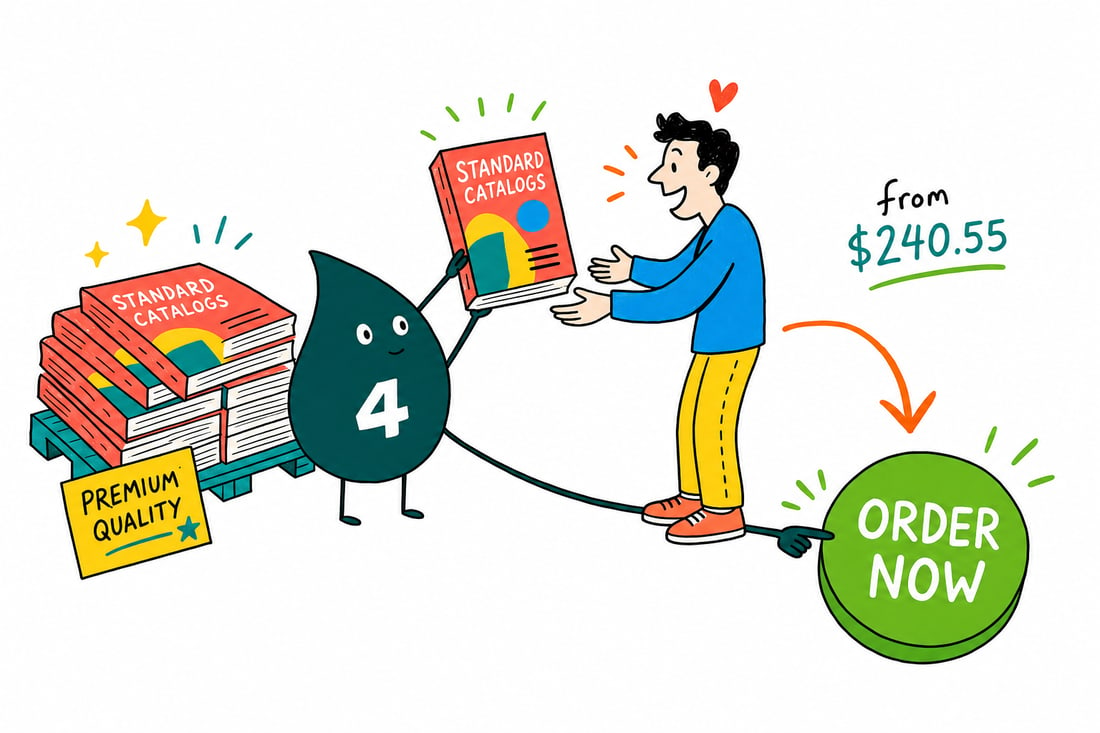
A Standard Catalog folds your full product range into one full-color booklet that starts at $240.55 for 25 and drops to about 24 cents each by 5,000. Pick a size, a stock, and a page count, and Wally saddle-stitches it and ships it on a 7 day standard turnaround, faster if you need it.
Already have your artwork? Skip ahead and download a press-ready blank instead. Each blank template is built at the real trim size with the bleed and safe margin already drawn in, so your design never crowds the cut or the spine. Grab the booklet layout that matches your order below, drop your pages in, and upload.
Press-Ready Blank Templates

Sizes against page counts
| Size | What it suits | Reads best at |
|---|---|---|
| 5.5" x 8.5" | A mailer catalog that stays by the phone, one or two products a page | 8 to 20 pages |
| 8.5" x 11" | The full sheet lookbook, product grids with specs running beside the photography | 16 to 40 pages |
| 11" x 11" | Square format for a photography led line, one hero product a spread | 12 to 32 pages |
| Custom, up to 11" x 11" | A trim between the three standards, cut to your spec | 8 pages and up |
There are 14 page counts and they all move in multiples of 4, because every sheet folded into a saddle stitched book carries 4 pages, two on each side. The count includes the cover, so the smallest book is 8 pages: a cover plus 4 inside pages. A layout that lands on 9 or 10 pages gets rounded up with a blank or a filler page rather than bound short, so it is worth planning the flat plan in fours before the design is finished.
What paper stocks can you choose
There are 7 paper stocks for catalogs, some for the cover and some for the inside pages. Covers run 14pt Gloss Cover, 80# Gloss Cover, 100# Silk/Matte Cover, or a 14pt Uncoated Cover with 30% recycled content. Inside pages print on 100# Gloss Text, 100# Silk/Matte Text, or 70# Uncoated Text.
Pick the stock by what the pages carry. A gloss cover and gloss text make product photos snap, which suits fashion, food, and anything visual. A silk or matte stock cuts glare, so long product descriptions and price lists stay easy to read under store lighting. The 70# uncoated text feels natural and takes a pen, handy when buyers mark up quantities. Covers run heavier than the inside pages to protect the booklet, and the 14pt Uncoated Cover carries 30% recycled content if a greener spec matters to your brand. We print all seven in-house on the same press, so the cover and the pages match.
Preparing Catalog Files
Send single pages in reading order, not spreads. Page 1 is the front cover, page 2 is the inside front cover, and the file runs straight through to the back. The press imposes the pages onto sheets itself, so a file built as spreads has to be split before it can run, and that is where page order mistakes get made.
Add 0.125 inch of bleed on every edge a photo or a color block touches, and hold type and logos back from the trim so nothing sits on the cut line. For product photography, supply images at the size they will print rather than scaled up from a web file. A picture that looks sharp on a screen can land soft once it is trimmed to 8.5" x 11", and product shots are the part of a catalog a buyer looks at closely.
Cover and inside pages are different stocks, so build them as separate files. The cover is one 4 page unit, outside front, inside front, inside back, outside back, on a 14pt, 80#, silk or 30% recycled cover. The inside pages run on 100# gloss or silk text, or 70# uncoated text. Uncoated text absorbs more ink than the coated stocks, so a photo heavy line usually reads better on the gloss or silk, while a catalog with prices, specs and long copy is easier on the eye uncoated.
How are your catalogs bound and printed
Every 4OVER4 catalog is saddle-stitched, folded and stapled along the spine, and bound on either the long or short edge. Ink prints black on both sides or full color on both sides. Before production you can go straight to print, request a free online proof, or order a next-day hardcopy proof.
Saddle-stitch binding nests the folded sheets and staples them at the spine, which keeps the catalog slim, lets it open reasonably flat, and holds up well through the page counts offered here. Bind on the long edge for a portrait booklet or on the short edge for a landscape one. For ink, print black on both sides to keep a text-heavy catalog affordable, or full color on both sides when the photos are the point. And you decide how to check the work before the run: go straight to production, approve a free online proof, or get a next-day hardcopy proof in hand first. To weigh the method against other formats, the Saddle Stitch Booklet page covers the binding in depth, and the guide to binding types lays out every option side by side.
Catalog printing color comes down to two ink settings and the stock under them:
| Ink | What prints | Stock that suits it |
|---|---|---|
| Full color on both sides | Product photos, color blocks and brand colors on the cover and every inside page | 100# Gloss Text for photos that snap, 100# Silk/Matte Text for less glare on long copy |
| Black on both sides | Text, prices, spec tables and line art at a lower cost | 70# Uncoated Text, which takes a pen for buyers marking quantities |
Binding options and the page counts they suit
Standard Catalogs here are saddle stitched: the sheets are nested one inside the other, stapled through the fold, then trimmed flush. That is why the page count moves in fours and why 8 pages is the smallest book. It is also why a saddle stitched catalog opens flat on a counter, so a spread stays readable without a buyer holding the pages down while they talk.
The other two bindings a catalog can take are worth knowing before you set the page count. Perfect binding glues the sheets into a square spine, which gives you a printed spine to read on a shelf but needs enough bulk to hold the glue, so it belongs on thick books. Wire O punches the edge and threads a wire loop through it, so the catalog folds all the way back on itself and stays open on one page, which is what a sales rep wants across a desk. Saddle stitch keeps the book thin, cheap to mail and quick to produce, and it is the binding on this product.
Printing runs black or full color on both sides across all 7 stocks, cover and text, on a 7 business day standard turnaround.
How fast can you get catalogs printed
4OVER4 prints catalogs on a 7 business day standard turnaround, with faster rush speeds available down to next-day production. You pick the speed in the configurator, and quicker options adjust the price. Files upload as print-ready PDF, JPG, or PNG, and 99.8% of 4OVER4 orders arrive on time while 82% ship early.
Standard production runs 7 business days, which keeps the price lowest. When a trade show or a launch is closing in, rush speeds step the timeline down through 6, 5, 4, 3, and 2 days, all the way to next-day production, so you only pay for speed when you actually need it. Upload your artwork as a print-ready PDF, JPG, or PNG, and if a proof gives you peace of mind, add one before the run. When the calendar is tight, the rush delivery options keep the date from being a gamble.
See the Rest of Our Booklets and Catalogs
The full print product range holds the rest of our booklets. If a lighter Standard Booklet, a Retail Catalog, or a specialized format like Education Booklets or Photography Booklets fits your range better, each option below shows its own starting price and links to its product page.
More From Catalogs - Professional Quality




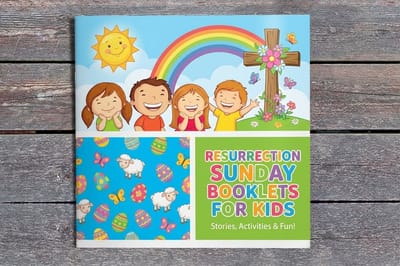
If the format is still open, compare the range side by side. Booklets cover the shorter, lighter page counts. Retail catalogs are built for a shelf and counter audience. The full booklet and catalog printing lineup lists every size, stock and page count in one place, which is the quickest way to price two formats against each other before you commit a design to one.
Print Your Catalogs Today
At 4OVER4.COM, quality comes first, and it is backed by our Gold Standard guarantees and 25+ years of printing since 1999. Set the size, the page count, the stocks and the bound edge, upload your pages in reading order, and the catalog ships stapled and trimmed. Need them before a launch or a show? Rush production keeps you covered. Twenty-five catalogs start at $240.55.
Questions about Standard Catalogs? See answers